In Situ / In Vitro: Two-Person Exhibition

In Situ / In Vitro brings together the practices of Tsai Pou-Ching and Rega Ayundya to examine how art operates as a system within the ecological crisis. This exhibition does not aim to merge their artistic approaches, but rather to read the differences in position, distance, and sensitivity in responding to the same conditions: species loss and environmental change in the Anthropocene. Through the framework of In Situ / In Vitro, the exhibition presents a spectrum of artistic practices "from direct engagement with habitats to imaginative experimentation in controlled spaces" without positioning one as more valid or more correct than the other.
The terms in situ and in vitro are not used here as value-based oppositions, but as tools to understand different working conditions within artistic practice. In situ refers to practices grounded in direct engagement with environments and concrete ecological relationships, while in vitro points to experimental spaces that allow distance, reconstruction, and speculative play. Both are understood as equally valid approaches within contemporary art, operating within the same spectrum and continuously testing one another.
In Song of the Russet Sparrow, Tsai Pou-Ching develops his work through long-term field research and direct engagement with the Russet Sparrow, an endemic Taiwanese species with the highest protection status. His practice is rooted in ecological observation, addressing habitat change, natural disasters, forest fragmentation, and the relationship between human development and mountain ecosystems. Tsai positions art between research, ecology, and the everyday life of the species involved. The ceramic vessels he produces function not only as exhibition objects but are designed to be returned to the forest, enabling direct interaction with birds. In this context, his work operates as a sustainable artistic system that extends beyond the gallery space and the physical presence of the artist, opening possibilities for art as a form of ecological coexistence and negotiation.
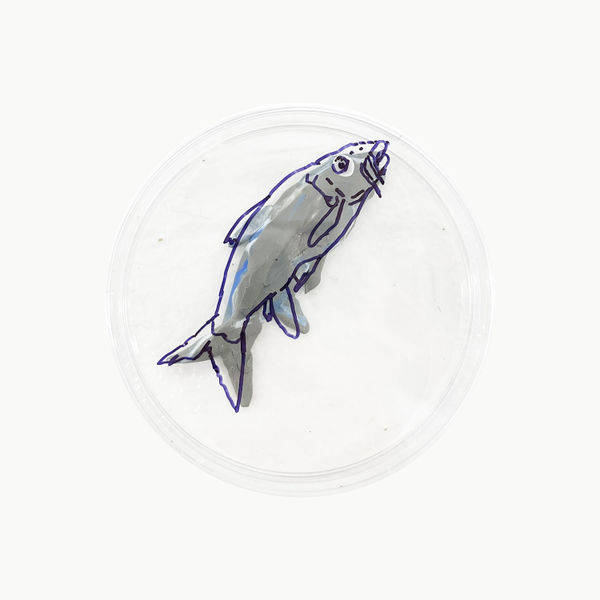
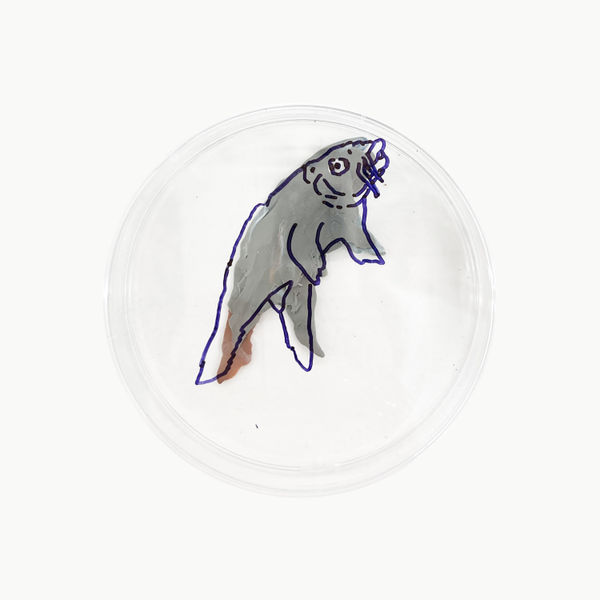
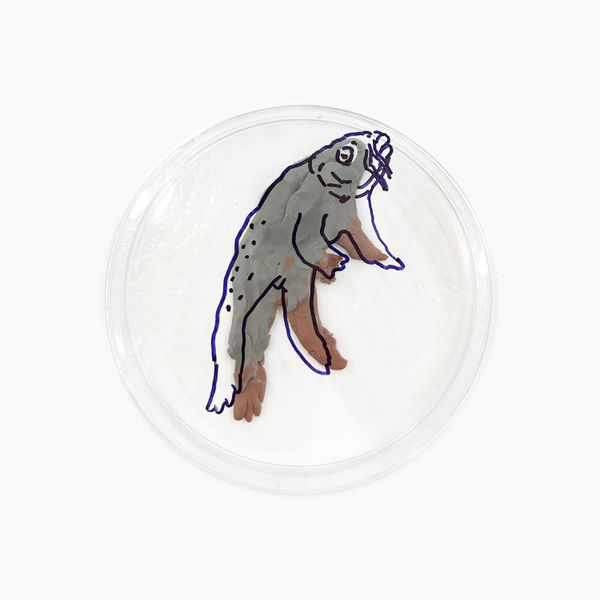
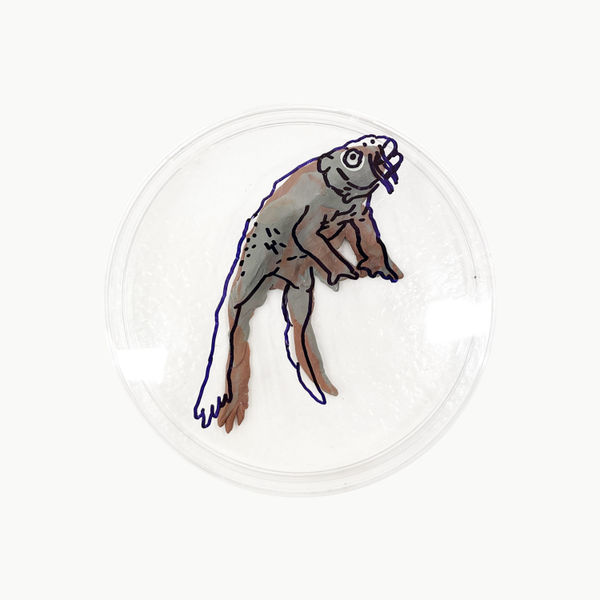
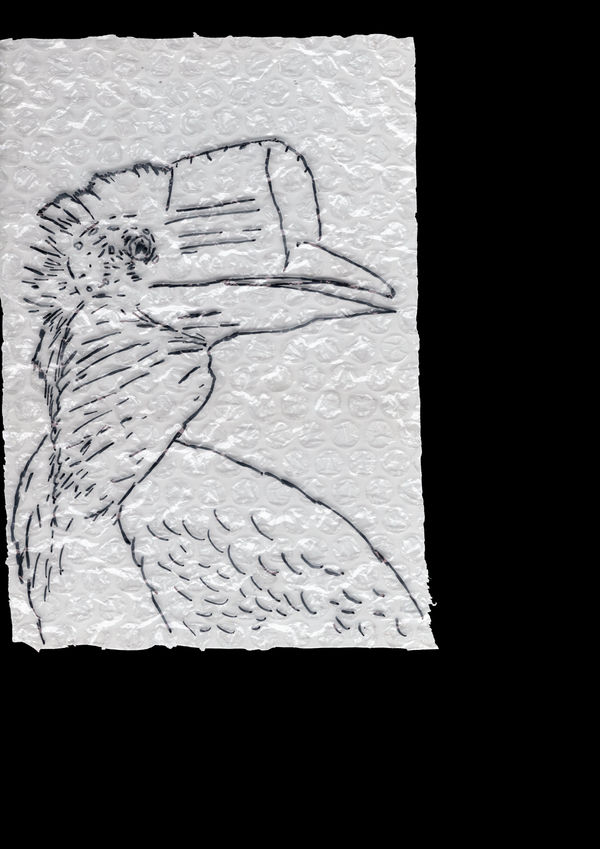
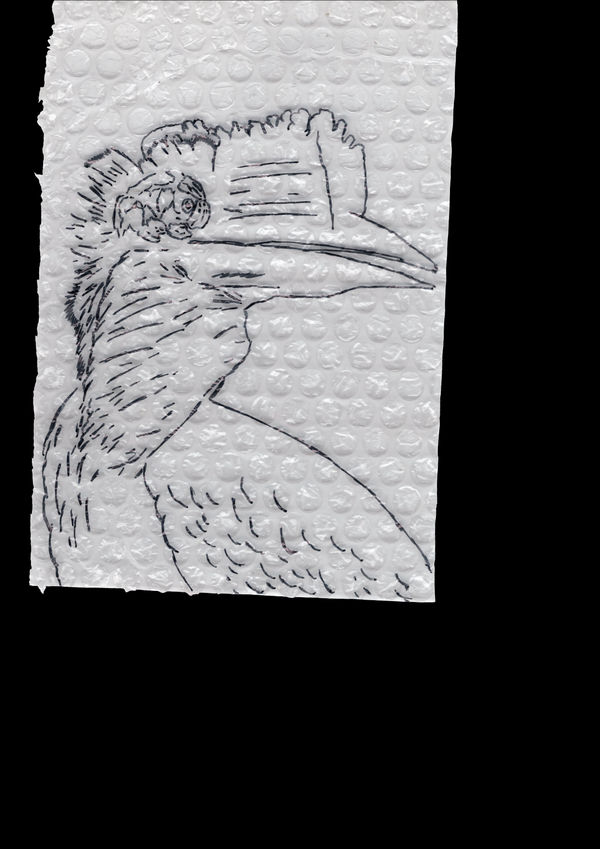
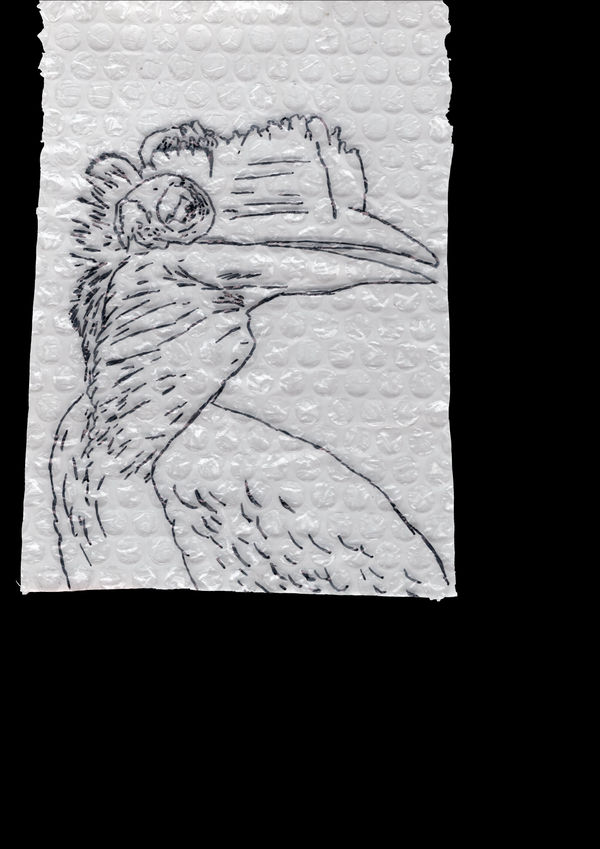
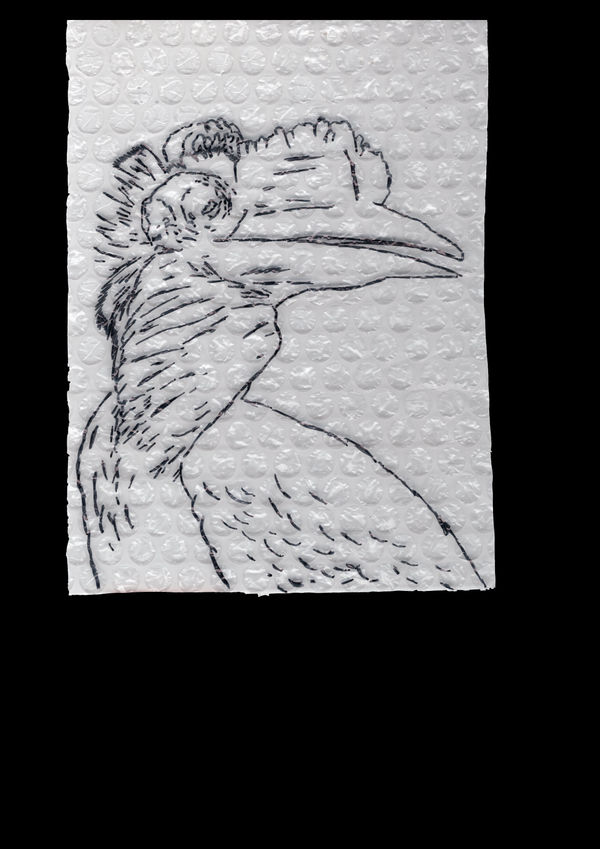
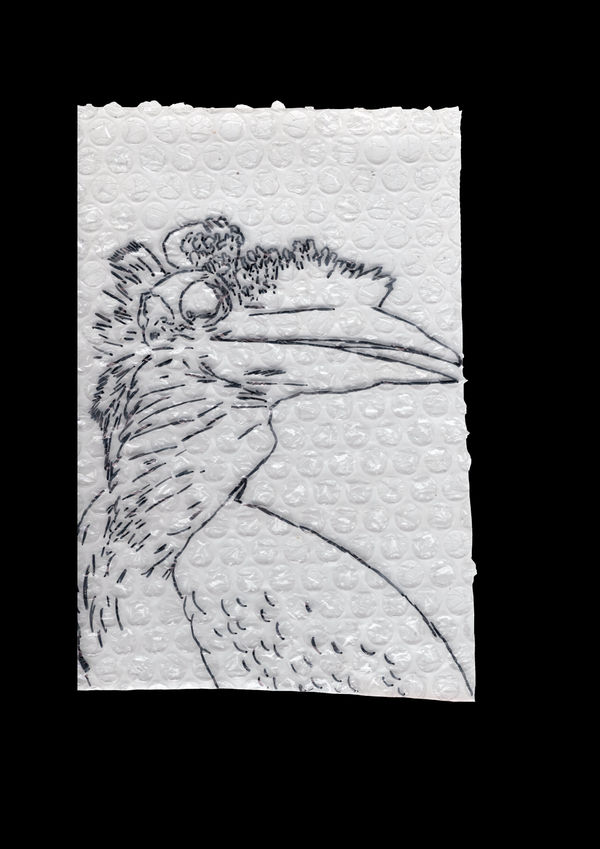
In contrast, Rega Ayundya works through speculation, intuition, and a sense of childlike curiosity. In the development of Mirageology, Rega does not frame his work as explicit institutional critique, representations of extinction, or scientific predictions of the future. His speculative practice emerges from personal anxiety and a sense of despair about living in the Anthropocene, where humans are deeply entangled in behavioral systems that continuously affect other living organisms. Rather than offering moral positions, solutions, or educational messages, Rega's work creates an open space for reflection. The use of media such as petri dishes, slime or clay, and animation refers not only to scientific language, but also to a playful and intuitive approach that values listening to one's "inner child" as an essential part of artistic process. In this practice, the boundaries between experiment and play, fiction and reality, become blurred. Rega's works function as a mirror for society, inviting viewers to reflect on how the world operates and how everyday human actions are connected to ecological consequences, without directing them toward a fixed conclusion.
Within this exhibition, Tsai Pou-Ching and Rega Ayundya present two distinct ways of engaging with the ecological crisis. Tsai works in situ, through direct involvement with habitats and species, while Rega operates in vitro, within speculative spaces shaped by imagination, intuition, and personal unease. Their encounter does not offer narratives of rescue or certainty, but instead emphasizes that today's ecological crisis is understood through a spectrum of practices "from closeness to distance, from observation to play" each reflecting humanity's position as part of a fragile and interconnected system of life.
M. A. Nugraha
Program & Project Development


-
 蔡咅璟 Tsai Pou-Ching, Song of the Russet Sparrow, 2022
 -
蔡咅璟 Tsai Pou-Ching, 山麻雀之歌(裝置) Song of the Russet Sparrow, 2022
-
Rega Ayundya, Rhinella tambroides 2.0 (01), 2026
-
Rega Ayundya, Rhinella tambroides 2.0 (02), 2026
-
Rega Ayundya, Rhinella tambroides 2.0 (03), 2026
-
Rega Ayundya, Rhinella tambroides 2.0 (04), 2026
-
Rega Ayundya, Rhinella tambroides 2.0 (05), 2026
-
Rega Ayundya, Rhinella tambroides 2.0 (06), 2026
-
Rega Ayundya, Rhinella tambroides 2.0 (07), 2026
-
Rega Ayundya, Rhinella tambroides 2.0 (08), 2026
-
Rega Ayundya, Rhinella tambroides 2.0 (09), 2026
-
Rega Ayundya, Rhinella tambroides 2.0 (10), 2026
-
Rega Ayundya, Rhinella tambroides 2.0 (11), 2026
-
Rega Ayundya, Rhinella tambroides 2.0 (12), 2026
-
Rega Ayundya, Rhinella tambroides 2.0 (13), 2026
-
Rega Ayundya, Rhinella tambroides 2.0 (14), 2026
-
Rega Ayundya, Rhinella tambroides 2.0 (15), 2026
-
Rega Ayundya, Rhinella tambroides 2.0 (16), 2026
-
Rega Ayundya, Rhinella tambroides 2.0 (17), 2026
-
Rega Ayundya, Rhinella tambroides 2.0 (18), 2026
-
Rega Ayundya, Rhinella tambroides 2.0 (19), 2026
-
Rega Ayundya, Rhinella tambroides 2.0 (20), 2026
-
Rega Ayundya, Rhinella tambroides 2.0 (21), 2026
-
Rega Ayundya, Rhinella tambroides 2.0 (22), 2026
-
Rega Ayundya, Rhinella tambroides 2.0 (23), 2026
-
Rega Ayundya, Rhinella tambroides 2.0 (24), 2026
-
Rega Ayundya, Rhinella tambroides 2.0 (25), 2026
-
Rega Ayundya, Rhinella tambroides 2.0 (26), 2026
-
Rega Ayundya, Rhinella tambroides 2.0 (27), 2026
-
Rega Ayundya, Rhinella tambroides 2.0 (28), 2026
-
Rega Ayundya, Rhinella tambroides 2.0 (29), 2026
-
Rega Ayundya, Rhinella tambroides 2.0 (30), 2026
-
Rega Ayundya, Rhinella tambroides 2.0 (31), 2026
-
Rega Ayundya, Rhinella tambroides 2.0 (32), 2026
-
Rega Ayundya, Rhinella tambroides 2.0 (32), 2026
-
Rega Ayundya, Rhinella tambroides 2.0 (33), 2026
-
Rega Ayundya, Rhinella tambroides 2.0 (34), 2026
-
Rega Ayundya, Rhinella tambroides 2.0 (35), 2026
-
Rega Ayundya, Rhinella tambroides 2.0 (36), 2026
-
Rega Ayundya, Rhinella tambroides 2.0 (37), 2026
-
Rega Ayundya, Rhinella tambroides 2.0 (38), 2026
-
Rega Ayundya, Rhinella tambroides 2.0 (39), 2026
-
Rega Ayundya, Rhinella tambroides 2.0 (40), 2026
-
Rega Ayundya, Rhinella tambroides 2.0 (41), 2026
-
Rega Ayundya, Rhinella tambroides 2.0 (42), 2026
-
Rega Ayundya, Rhinella tambroides 2.0 (43), 2026
-
Rega Ayundya, Rhinella tambroides 2.0 (44), 2026
-
Rega Ayundya, Rhinoplax osseus 3.0 (01), 2026
-
Rega Ayundya, Rhinoplax osseus 3.0 (02), 2026
-
Rega Ayundya, Rhinoplax osseus 3.0 (03), 2026
-
Rega Ayundya, Rhinoplax osseus 3.0 (04), 2026
-
Rega Ayundya, Rhinoplax osseus 3.0 (04), 2026
-
Rega Ayundya, Rhinoplax osseus 3.0 (05), 2026
-
Rega Ayundya, Rhinoplax osseus 3.0 (06), 2026
-
Rega Ayundya, Rhinoplax osseus 3.0 (06), 2026
-
Rega Ayundya, Rhinoplax osseus 3.0 (08), 2026
-
Rega Ayundya, Rhinoplax osseus 3.0 (09), 2026
-
Rega Ayundya, Rhinoplax osseus 3.0 (10), 2026
-
Rega Ayundya, Rhinoplax osseus 3.0 (11), 2026
-
Rega Ayundya, Rhinoplax osseus 3.0 (11), 2026
-
Rega Ayundya, Rhinoplax osseus 3.0 (12), 2026
-
Rega Ayundya, Rhinoplax osseus 3.0 (13), 2026
-
Rega Ayundya, Rhinoplax osseus 3.0 (14), 2026
-
Rega Ayundya, Rhinoplax osseus 3.0 (15), 2026
-
Rega Ayundya, Rhinoplax osseus 3.0 (15), 2026
-
Rega Ayundya, Rhinoplax osseus 3.0 (16), 2026
-
Rega Ayundya, Rhinoplax osseus 3.0 (17), 2026
-
Rega Ayundya, Rhinoplax osseus 3.0 (18), 2026
-
Rega Ayundya, Rhinoplax osseus 3.0 (19), 2026
-
Rega Ayundya, Rhinoplax osseus 3.0 (20), 2026
-
Rega Ayundya, Rhinoplax osseus 3.0 (21), 2026
-
Rega Ayundya, Rhinoplax osseus 3.0 (22), 2026
-
Rega Ayundya, Rhinoplax osseus 3.0 (23), 2026
-
Rega Ayundya, Rhinoplax osseus 3.0 (24), 2026
-
Rega Ayundya, Rhinoplax osseus 3.0, 2026
-
Rega Ayundya, Rhinoplax osseus 3.0 (25), 2026
-
Rega Ayundya, Rhinoplax osseus 3.0 (26), 2026
-
Rega Ayundya, Rhinoplax osseus 3.0 (27), 2026
-
Rega Ayundya, Rhinoplax osseus 3.0 (28), 2026
-
Rega Ayundya, Rhinoplax osseus 3.0 (29), 2026
-
Rega Ayundya, Corvus computatoris, 2023
-
Rega Ayundya, Corvus nucifrangibulum, 2023
-
Rega Ayundya, Corvus radior, 2023
-
Rega Ayundya, Corvus serra, 2023
-
Rega Ayundya, Rhinella tambroides 2.0, 2026